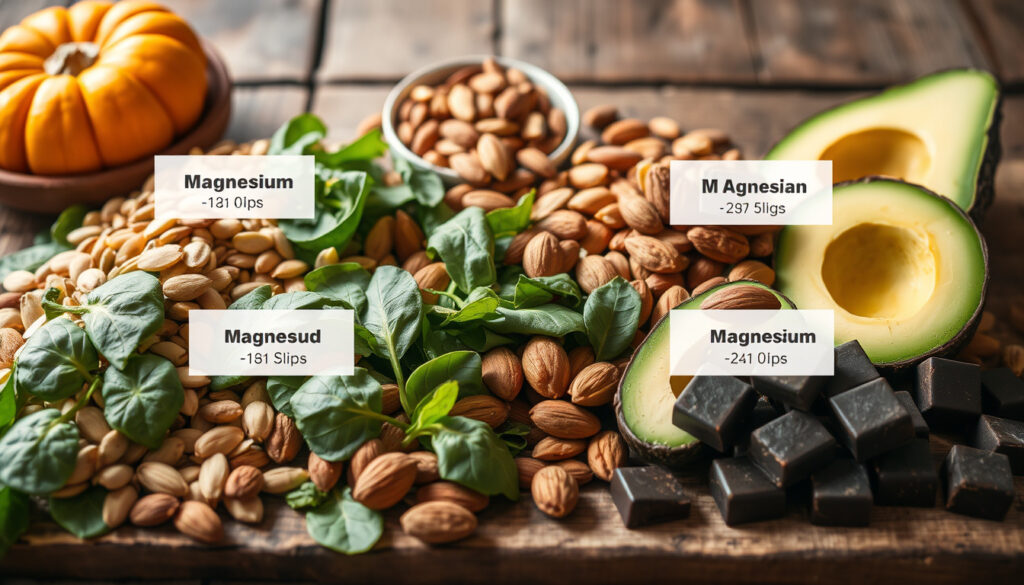
What Foods Have Magnesium – Top Sources Ranked by mg per Serving
Magnesium plays a fundamental role in hundreds of biochemical reactions throughout the body, yet research indicates that roughly half of Americans consume less than the recommended amount of this essential mineral. While supplements exist, the most sustainable approach involves obtaining magnesium through whole foods, with certain seeds, nuts, and leafy vegetables delivering exceptional quantities per serving. Understanding which foods provide the highest magnesium content makes it straightforward to design meals that support optimal mineral intake naturally.
Seeds and nuts consistently emerge as the most concentrated sources of dietary magnesium, with pumpkin seeds delivering more than 500 milligrams per 100 grams. Leafy greens, legumes, and even dark chocolate contribute meaningful amounts, making it entirely possible to meet daily requirements through thoughtful food selection. For individuals following plant-based or vegan diets, strategic incorporation of these foods ensures adequate magnesium without supplementation.
What Foods Are High in Magnesium?
When examining magnesium content across food categories, seeds and nuts demonstrate the highest concentrations by a significant margin. The following overview highlights the standout sources that should form the foundation of any magnesium-focused dietary approach.
Pumpkin Seeds
535 mg per 100g
310–420 mg/day
(NIH guidelines)
Muscle cramps, fatigue
Irregular heartbeat
Plant sources offer
good bioavailability
Key insights regarding magnesium-rich foods include the following observations:
- Pumpkin seeds provide the highest natural magnesium content at approximately 535 mg per 100 grams, making them the single most potent food source.
- Just one ounce (28 grams) of pumpkin seeds delivers roughly 150 mg, representing approximately 38% of the daily recommended intake for adults.
- Flaxseeds and sesame seeds contain 350–400 mg per 100 grams, placing them among the top tier alongside pumpkin varieties.
- Almonds and cashews offer 250–270 mg per 100 grams, providing a convenient snacking option with substantial mineral contribution.
- Bioavailability from plant sources is generally good, though phytates in certain foods can reduce absorption by 20–50%.
- Cooking, soaking, or sprouting seeds and legumes measurably improves mineral uptake compared to raw consumption.
- The body absorbs magnesium more efficiently when consumed alongside protein and vitamin D sources.
| Food Item | Magnesium (mg) per 100g | % Daily Value | Category |
|---|---|---|---|
| Pumpkin/Squash Seeds (roasted) | 535 mg | 134% | Seeds |
| Flaxseeds | 392 mg | 98% | Seeds |
| Sesame Seeds | 351–370 mg | 88–93% | Seeds |
| Chia Seeds | 335 mg | 84% | Seeds |
| Almonds (roasted/dry) | 270 mg | 68% | Nuts |
| Cashews (roasted) | 250 mg | 63% | Nuts |
| Pine Nuts | 251 mg | 63% | Nuts |
| Spinach (boiled) | 157 mg/cup | 39% | Leafy Greens |
| Dark Chocolate (high cocoa) | Up to 89 mg | 22% | Other |
| Quinoa (cooked) | 118 mg/cup | 30% | Grains |
Which Fruits and Vegetables Have the Most Magnesium?
Leafy green vegetables and certain fruits contribute meaningful amounts of magnesium to the diet, though generally at lower concentrations than seeds and nuts. These foods remain essential components of a balanced approach due to their additional nutritional benefits and fiber content.
Leafy Greens High in Magnesium
Spinach stands out among vegetables as the most magnesium-dense option, delivering approximately 157 mg per cooked cup (180 grams). Swiss chard provides a moderate 75 mg per half-cup serving, while other dark leafy greens like kale contribute smaller but still notable amounts. The Cleveland Clinic notes that cooking greens actually concentrates the mineral content per serving, making boiled or sautéed preparations more efficient than raw consumption for magnesium intake.
One consideration involves oxalates present in spinach and other greens, which can bind minerals and modestly reduce absorption. Research from the National Institutes of Health indicates that cooking or steaming leafy vegetables helps mitigate this effect, potentially improving bioavailability by 20–50% compared to raw preparations.
Fruits With Meaningful Magnesium Content
Bananas frequently appear in discussions about magnesium-rich foods, though their content of approximately 32 mg per medium fruit represents only about 8% of the daily recommended intake. Avocados offer a more substantial contribution at roughly 58 mg per whole fruit, equating to approximately 15% of daily needs. Both fruits provide additional benefits including potassium, fiber, and healthy fats that support overall mineral absorption.
While bananas and avocados contain less magnesium per serving than seeds or nuts, their combination with other mineral-rich foods supports better overall absorption. Consuming these fruits alongside nuts or seeds creates a synergistic effect that enhances the body’s ability to utilize dietary magnesium efficiently.
Root Vegetables and Tubers
Potatoes with skin provide approximately 48 mg of magnesium per medium-sized potato, making them a modest but accessible source. Sweet potatoes and other root vegetables contribute similar amounts, though they generally remain below the concentration levels found in leafy greens or legumes. Including these vegetables in a varied diet helps diversify mineral intake beyond the highest-concentration sources.
What Nuts and Seeds Are Rich in Magnesium?
Nuts and seeds represent the most efficient category of foods for meeting daily magnesium requirements, with several varieties delivering more than the adult RDA in a single ounce serving. Understanding the specific content of different nuts and seeds enables precise meal planning for those seeking to optimize their mineral intake through food sources.
Seeds: The Highest Concentration Sources
Pumpkin seeds, sometimes labeled as pepitas, contain the highest natural magnesium concentration of any whole food at approximately 535 mg per 100 grams. When roasted, a single cup provides roughly 738 mg, which exceeds twice the daily recommended amount for most adults. Medical News Today reports that these seeds remain particularly valuable for individuals following plant-based diets, as they offer mineral density comparable to or exceeding many animal products.
Flaxseeds contain approximately 392 mg per 100 grams, with a single tablespoon providing around 40 mg. These tiny seeds also offer omega-3 fatty acids and fiber, making them a multifaceted addition to smoothies, oatmeal, or baked goods. Sesame seeds and tahini (sesame seed paste) deliver 351–370 mg per 100 grams, with tahini providing a concentrated option at 362 mg per 100 grams for those seeking efficient mineral intake.
Chia seeds round out the top tier at 335 mg per 100 grams, with an ounce (28 grams) providing approximately 111 mg—roughly 28% of the daily recommendation. The high mucilage content in chia seeds also supports better mineral absorption when consumed as a soaked preparation rather than dry.
Nuts: Convenient and Nutrient-Dense Options
Almonds provide 270 mg per 100 grams and approximately 80 mg per ounce (28-gram serving), representing a practical snack that delivers about 20% of daily needs in a single handful. The BetterYou blog notes that almonds combine magnesium with protein and healthy fats, making them particularly satisfying and nutritionally complete.
Cashews contain roughly 250 mg per 100 grams (72–83 mg per ounce), while pine nuts and mixed nut varieties provide approximately 251 mg per 100 grams. Peanuts, technically legumes but often categorized with nuts, offer 210 mg per 100 grams or 49 mg per ounce when dry roasted.
To achieve roughly 100% of the daily magnesium recommendation from nuts alone, approximately 1.5 ounces of pumpkin seeds, 1.6 ounces of almonds, or 1.7 ounces of cashews would suffice. Combining different varieties throughout the day provides both variety and ensures adequate total intake.
Other Magnesium-Rich Foods Like Legumes and Chocolate
Beyond seeds, nuts, and leafy greens, several additional food categories contribute meaningfully to magnesium intake. Legumes, whole grains, and even certain sweets can support daily mineral requirements while offering complementary nutritional benefits.
Legumes and Plant-Based Protein Sources
Edamame and dry roasted soybeans provide approximately 228 mg of magnesium per 100 grams, with boiled preparations delivering around 64 mg per 100 grams. Black beans and chickpeas offer more modest amounts—chickpeas contain roughly 37 mg per 100 grams—yet remain valuable components of vegetarian and vegan meal plans due to their protein and fiber content.
Tofu represents another plant-based option at 23–35 mg per 100 grams, though the calcium content often found in fortified tofu may enhance overall bone health benefits when combined with magnesium’s role in bone metabolism. The Healthline nutrition guide emphasizes that combining legumes with seeds or nuts throughout the day effectively compensates for their lower individual magnesium concentration.
Whole Grains and pseudocereals
Quinoa stands out among grains with 118 mg per cooked cup (64 mg per 100 grams), providing approximately 30% of daily needs in a single serving. Whole wheat flour contains 117 mg per 100 grams, making bread and pasta from whole grains meaningful contributors. Brown rice and oats also provide moderate amounts, though typically below quinoa’s concentration.
Dark Chocolate and Other Sources
Dark chocolate with high cocoa content delivers up to 89 mg of magnesium per 100 grams, making it a surprisingly effective source when consumed in moderation. The flavanols and antioxidants in dark chocolate complement its mineral content, though added sugar in many chocolate products warrants mindful consumption.
Blackstrap molasses represents a particularly concentrated sweetener source at 242 mg per 100 grams, historically used as a mineral supplement before modern nutrition science. Molasses adds notable magnesium to baked goods, marinades, or beverages when used as an ingredient.
Caffeine, alcohol, and foods high in phosphates (such as many processed items) can inhibit magnesium absorption. Conversely, protein and vitamin D enhance uptake, suggesting that meals combining magnesium-rich plant foods with lean proteins optimize mineral utilization.
What Is the Daily Recommended Magnesium Intake?
Recommended dietary allowances for magnesium vary based on age, gender, and physiological status, with clear distinctions between male and female requirements. The NIH Office of Dietary Supplements provides the authoritative guidelines that inform nutritional recommendations across healthcare settings.
- Adult men aged 19–30: 400 mg daily
- Adult men aged 31 and older: 420 mg daily
- Adult women aged 19–30: 310 mg daily
- Adult women aged 31 and older: 320 mg daily
- Pregnant women: Add 40 mg to standard recommendation
- Lactating women: Add 40 mg to standard recommendation
- Children aged 1–3 years: 80 mg daily
- Children aged 4–8 years: 130 mg daily
- Children aged 9–13 years: 240 mg daily
- Teen boys aged 14–18: 360 mg daily
- Teen girls aged 14–18: 310 mg daily
For individuals considering supplementation, the upper tolerable limit for magnesium from supplements is set at 350 mg daily to avoid potential adverse effects. However, magnesium obtained through food sources does not carry this restriction, as the body regulates absorption more effectively from whole foods.
Who May Need Higher Intake?
Athletes and individuals engaging in regular strenuous exercise experience greater magnesium losses through sweat and increased metabolic demands. Pregnant and lactating women require additional magnesium to support fetal development and milk production. Older adults may also benefit from attention to magnesium intake due to age-related changes in absorption efficiency.
Those following restrictive diets, including certain dietary patterns that may limit food variety, should pay particular attention to incorporating diverse magnesium sources. Vegans and individuals with digestive conditions affecting mineral absorption may require 10–20% higher intake from food sources to achieve equivalent status.
What Is Certain and What Remains Unclear About Magnesium in Foods?
While substantial research has established the fundamental relationship between food sources and magnesium status, certain aspects remain subjects of ongoing scientific investigation. Distinguishing between established facts and areas of uncertainty helps readers approach dietary decisions with appropriate nuance.
- Seeds and nuts contain the highest natural magnesium concentrations
- Adult RDA ranges from 310–420 mg depending on age and gender
- Phytates and oxalates in certain foods modestly reduce absorption
- Cooking and processing can improve bioavailability from plant sources
- Deficiency symptoms include muscle cramps, fatigue, and cardiac irregularities
- Precise absorption rates vary significantly between individuals
- Optimal timing of magnesium intake relative to meals is not well-established
- Long-term effects of various cooking methods on mineral retention require further study
- Interactions between magnesium and specific medications vary by formulation
- Synergistic effects between different food combinations need additional research
Research from various scientific disciplines continues to refine understanding of mineral absorption and utilization, though much remains to be learned about the complex interactions between dietary patterns and individual physiological factors.
Why Does Magnesium Matter for Overall Health?
Magnesium serves as a cofactor for more than 300 enzymatic reactions in the human body, influencing protein synthesis, muscle function, nerve transmission, and blood glucose control. Research indicates that approximately 48% of Americans consume less than the estimated average requirement for magnesium, making dietary attention particularly relevant for public health outcomes.
Beyond addressing deficiency, adequate magnesium intake supports cardiovascular health, bone density, and metabolic function. The mineral plays a critical role in ATP production—the primary energy currency of cells—and contributes to proper muscle contraction and relaxation. These wide-ranging functions explain why magnesium deficiency can manifest through such diverse symptoms.
Expert Perspectives on Dietary Magnesium
“While magnesium supplements are available, obtaining this mineral through whole foods offers advantages beyond simple intake. The combination of magnesium with fiber, protein, and other micronutrients from foods like seeds and leafy greens creates a nutritional package that supplements cannot fully replicate.”
— National Institutes of Health, Office of Dietary Supplements
“For most people, a varied diet including nuts, seeds, legumes, and vegetables provides sufficient magnesium. Those following plant-based diets should pay particular attention to including diverse sources, as the density of magnesium in plant foods varies more widely than in animal products.”
Summary and Practical Recommendations
Meeting daily magnesium requirements through food involves incorporating a variety of seeds, nuts, leafy greens, and legumes into regular meals. Pumpkin seeds, flaxseeds, and almonds provide the highest concentrations, while spinach, quinoa, and avocados contribute meaningful amounts alongside additional nutritional benefits. The body absorbs magnesium efficiently from diverse whole food sources, with cooking and processing methods offering opportunities to enhance bioavailability further.
For most adults, consuming 1–2 ounces of mixed nuts and seeds daily, combined with leafy greens and legumes at several meals, effectively achieves the recommended 310–420 mg intake. Those with higher requirements—athletes, pregnant women, or individuals following restrictive diets—can increase portions or prioritize the highest-concentration sources without concern for adverse effects from food-based magnesium.
Frequently Asked Questions About Magnesium in Foods
How much magnesium do I need daily?
Adult men generally need 400–420 mg daily, while adult women require 310–320 mg daily, according to NIH guidelines. Pregnant and lactating women should add approximately 40 mg to these baseline recommendations.
Can I get enough magnesium from food alone?
Yes, most individuals can meet their magnesium needs through a balanced diet including nuts, seeds, leafy greens, and legumes. Food sources provide magnesium without the upper limit restrictions that apply to supplements.
What foods block magnesium absorption?
Foods high in phytates (whole grains, legumes) and oxalates (spinach, rhubarb) can bind magnesium and reduce absorption. However, cooking and soaking these foods improves bioavailability by 20–50%.
Are bananas high in magnesium?
Bananas contain approximately 32 mg of magnesium per medium fruit, representing only about 8% of the daily recommendation. They are not considered a high-magnesium food compared to seeds, nuts, or leafy greens.
Is magnesium in tap water?
Tap water contains varying amounts of magnesium depending on the source and processing, typically contributing 1–50 mg per liter. Hard water generally contains higher mineral levels than soft water.
Should I take supplements or get magnesium from food?
For most people, food sources are preferable due to the combination of magnesium with fiber, protein, and other nutrients. Supplements may be appropriate for those with diagnosed deficiency or absorption issues, but should be discussed with a healthcare provider.
Which nuts have the most magnesium?
Almonds provide 270 mg per 100 grams, cashews offer 250 mg, and pine nuts deliver 251 mg per 100 grams. Among all nuts, almonds provide the highest concentration, while mixed varieties can contribute meaningfully to daily intake.
How can I increase magnesium absorption from foods?
Consuming magnesium-rich foods alongside protein sources and vitamin D enhances absorption. Soaking seeds and legumes, cooking leafy greens, and limiting caffeine and alcohol intake also support better mineral utilization.
More related posts
 Google Translate English to Urdu: How to Use and Accuracy Tips
 Coco Wyo Coloring Books – Reviews, Themes and Where to Buy
 Avengers Movies in Order – Release and Chronological Guide
 How to Cook Gammon: Roast, Boil, Slow Cook & Common Mistakes
 Best Flower Shops Near Me in Ireland | Local Florist Guide
 Marvin Humes: Age, Wife, Net Worth, and What He’s Doing Now
 Free Childcare for 1 Year Old – Eligibility and How to Apply